




















Palatial Zanzibar
Many people regard Palaces as extravagances of the past, evidence ofthe profligate spending and extravagant life styles of the Rulers at the expense of the ruled.
Others feel that such stately buildings are repositories of the historic identity of a people, symbols of the culture of those who built them, and as such deserve respect and even veneration.
Whatever one's view it seems clear that throughout history many civilizations reached a stage of development that resulted in the creation of Palaces, the Zanzibari civilization was no exception.
Dunga Palace
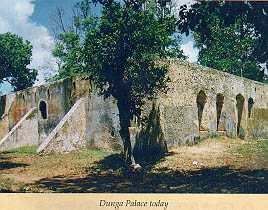
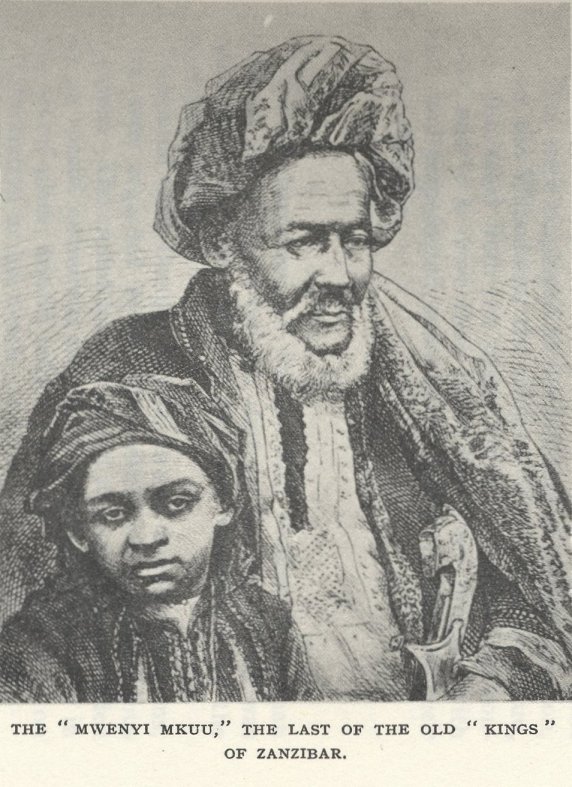
The home of the last King of the Shirazi. The Mwinyi Mkuu, "The Great Owner."
For a short time he lived in this Palace located in the interior of the island while the new Sultans built Palaces along the Shore. He died in 1865; his only son was ill and did not long survive. With the boy the line died out and the Palace was left to crumble. Between 1910 and 1914 some excavations uncovered human skeletons and a set of carved wooden ceremonial drums within the ruins.
Recently much of the old walls have been restored and it may now be visited as an historic site, with a guide for a small fee.
Mtoni Palace
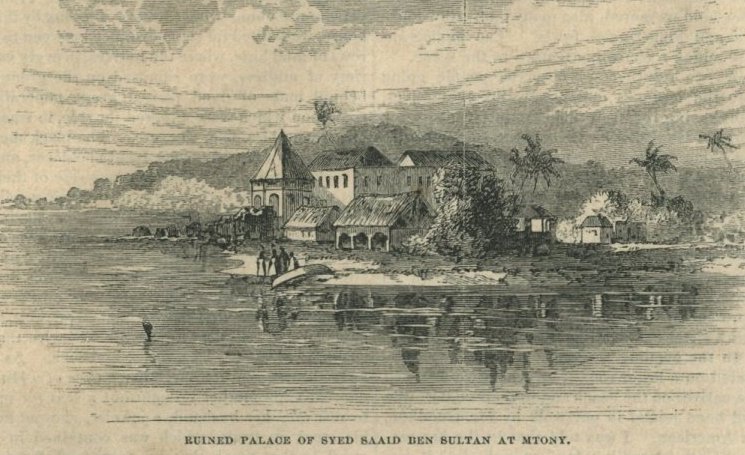
The original Palace of Seyyid Said.
The old Palaces of Zanzibar were primarily residential structures. They rambled on into many rooms and at times even connected to neighboring buildings.
These family-Palaces could be quite large and would house as many as 1000 people. Their architecture tended to be simple and direct.
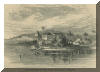
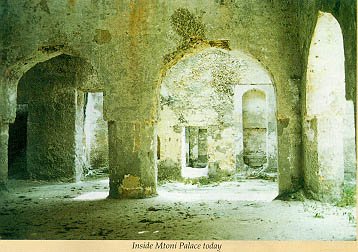
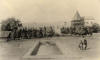
Mtoni Palace was described by one visitor as follows:
"A door to the main house opened to the entrance porch and then led to the central part of the house which was the audience chamber decorated with long mirrors. The living quarters were on the upper floor.
In front of the house was a circular tower.... The upper part of the tower was used as a veranda and had a polygon balcony. The tower was crowned with a conical roof like a tent."
Beit el-Hukm
The "House of Government"
Later Palaces began to specialize; some became more office than home. The Beit el- Hukm was one such structure. It was between Beit el-Sahel on one side, and the House of Wonders on the other. These three buildings were connected with elevated and covered walkways..... a nice office convenience.
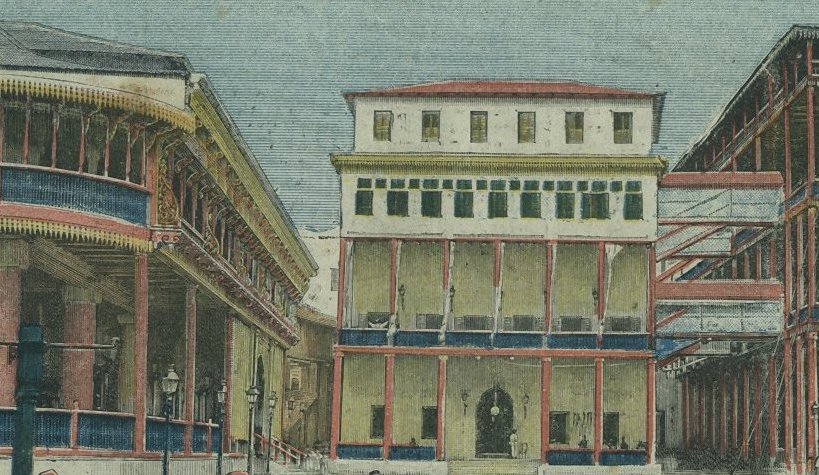
This Palace was destroyed in the War of 1896. Today the site is occupied by a garden and small house which serves as the offices of the Stone Town Conservation and Development Authority.
Beit el-Sahel
A residential city-palace.
Originally just a large rectangular building, in the 1870's an ornate 'Sultan's Pavilion' was added on the west side. This building housed more women than men and was therefore sometimes referred to as 'the Harem.'
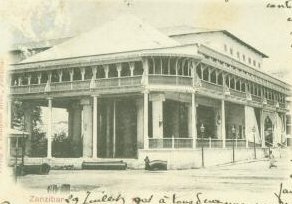
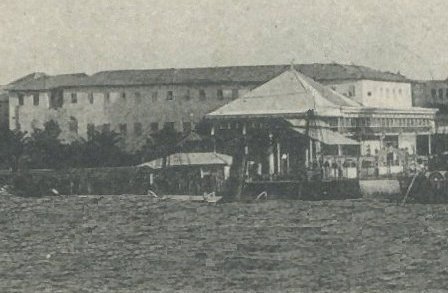
It was here that Seyyid Barghash built the great boat-cistern to hold the water needed by the many occupants of this house.
Sayyida Salme, Princess of Zanzibar and Oman, had this to say of life in this Palace:
"There is a splendid view of the sea.... The doors on the upper floor, which contained many rooms, open upon a long and wide gallery of such grandness as I have never seen equaled. The ceiling is supported by pillars.... and these pillars are connected by a high parapet, along which chairs are placed. A great many coloured lamps, suspended from the ceiling, throw a magic glow over the whole house after dark.
The gallery looks down upon a courtyard, always full of bustle and noise. ... Two large separate flights of stairs lead from this court to the rooms on the first floor. Crowds of people are continually going up and down these stairs, and the crowding is often so great that it takes some minutes before one can get to the staircase at all."
This Palace was virtually destroyed in the 1896 war but the remaining walls on the north side were incorporated into a reconstructed Palace which was again modified in 1936.
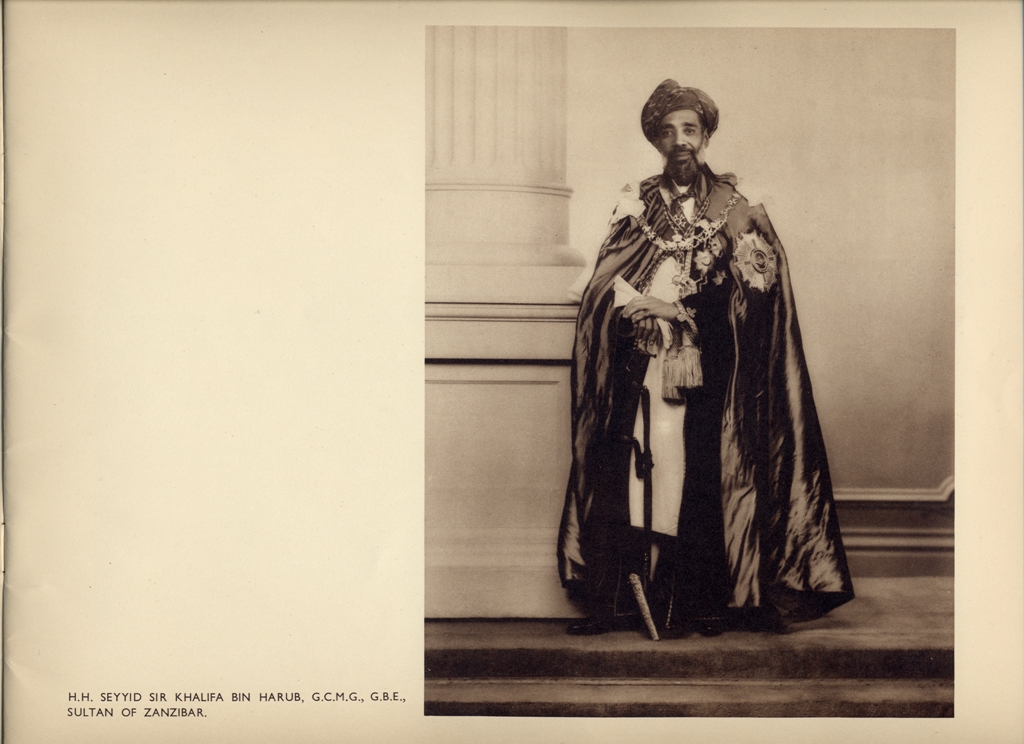
That modified Palace became the modest harbor side town home of Seyyid Khalifa who reigned from 1911 until 1960. During his many years there it was simply known as the 'Sultans Palace.'
After the 1964 revolution this structure was used as a government headquarters but it has now been renovated and reopened for visitors as a very nice museum. Now named the
Palace Museum.
Beit el-Ras
The "House on the Cape"
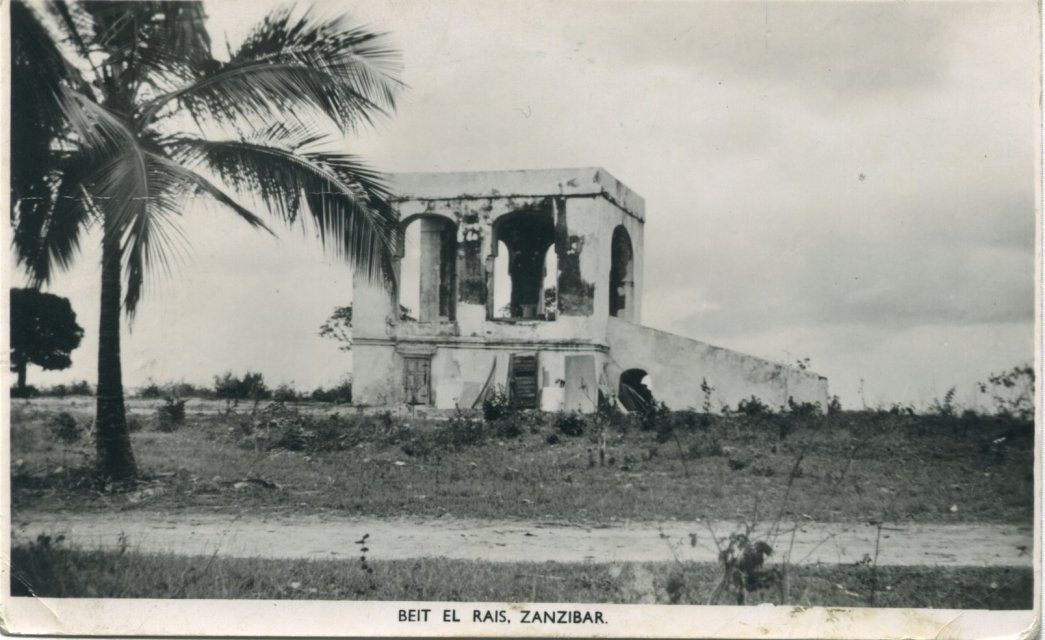
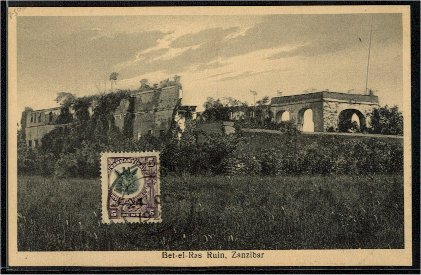
For years all that remained of this proto-Palace was the immense elevated north Porch. Imagine the wonderful views of the sea from this Palace that never existed.
"... begun in 1847 by Seyyid Said, Persian builders being employed." On his death, however, the building was still unfinished .... his successor refused to complete it. The adjourning walls were broken down and the debris used in connection with the building of the Bububu Railway, the embankment of which can still be seen..."
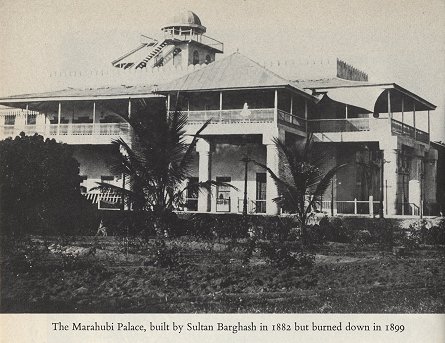
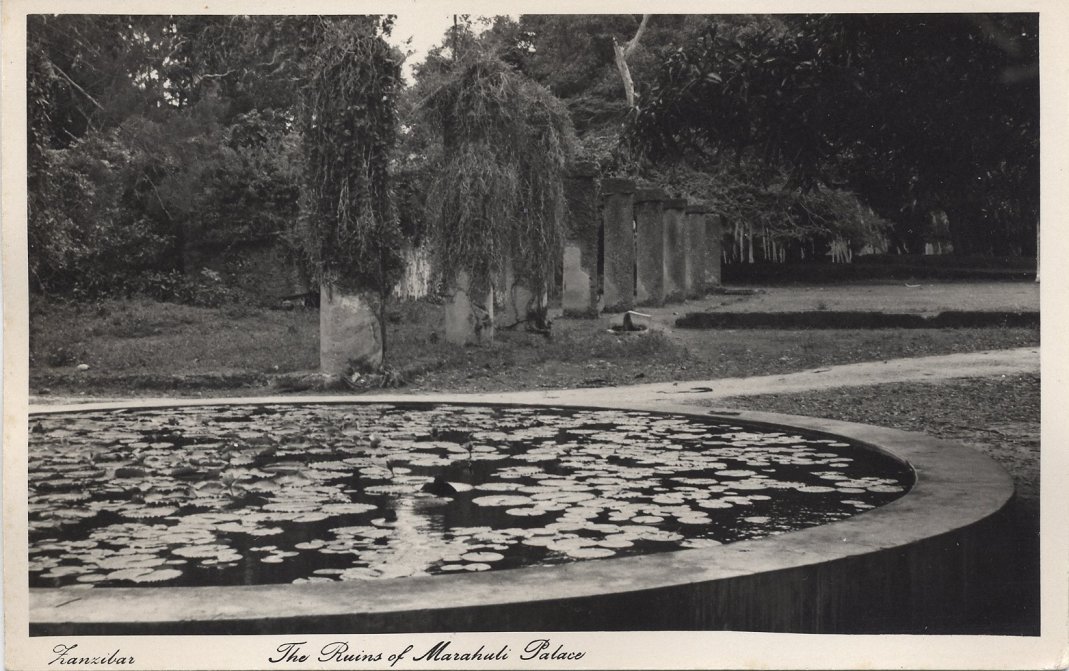
Marhubi Palace
A residential Palace, just north of Stone Town.
This was the home of Seyyid Barghash.
The cooling pools still hold water.
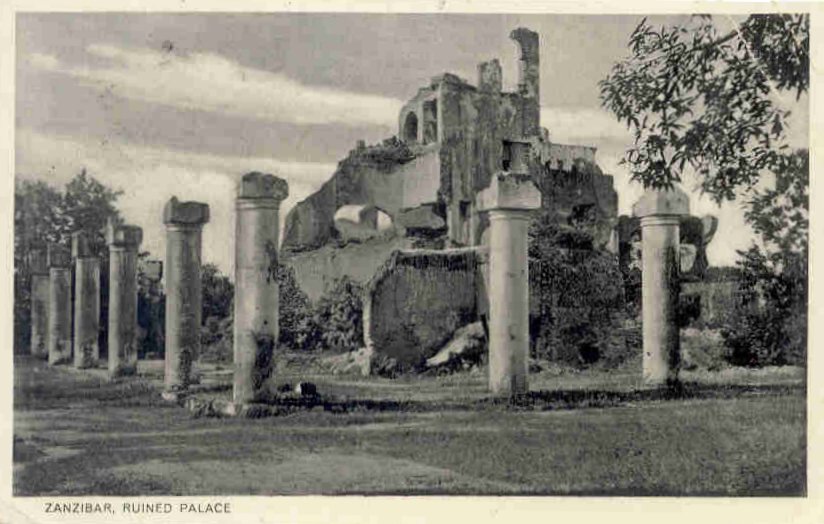
The domed structures shown below are the Persian Baths built into the back of the Palace.
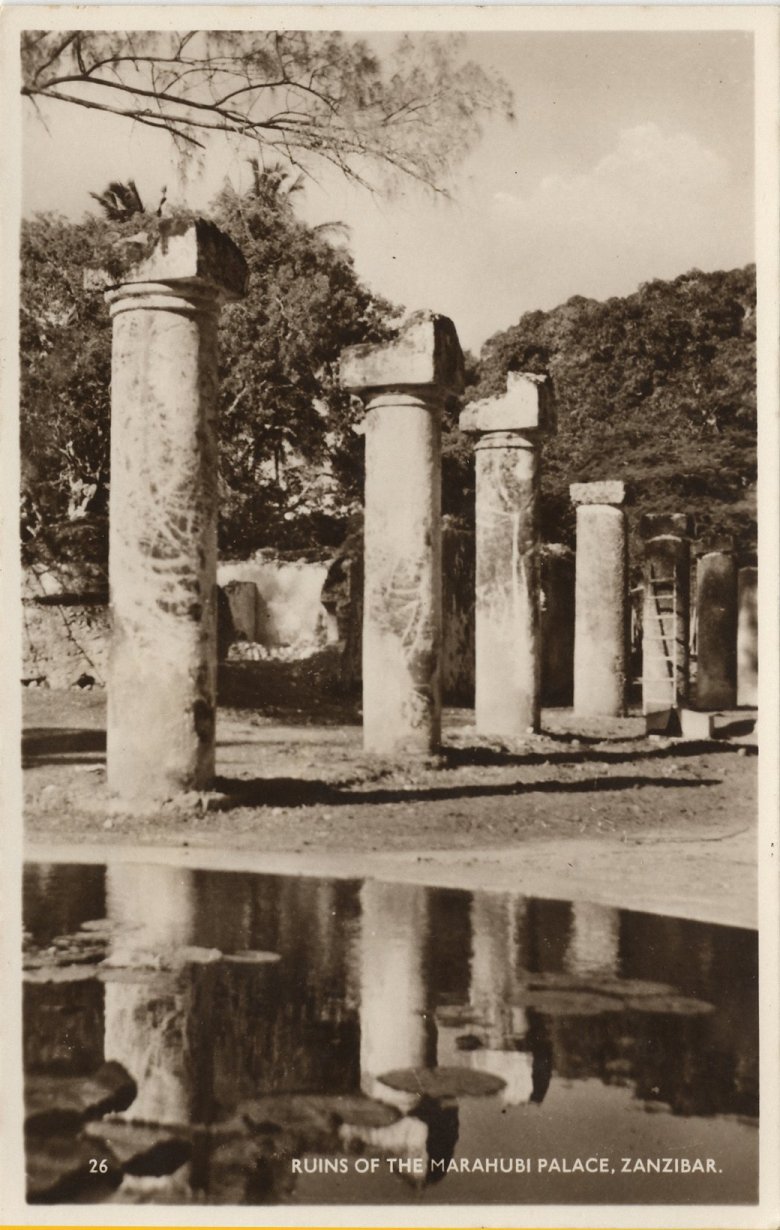
Another type of Palace prevalent on Zanzibar were the country-Palaces.
These were used to escape the hustle and bustle of the city. These were also usually constructed at sites believed to impart health benefits.
Kibweni Palace
was a wonderful example of this
type.
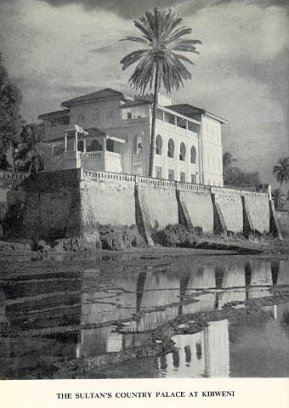
Constructed in 1915 this Palace was originally named Beit el-Kassrusaada (Palace of Happiness) but that name fell into disuse and it is now universally referred to by the name of the village near where it is located, just north of the ruins of Beit el-Ras.
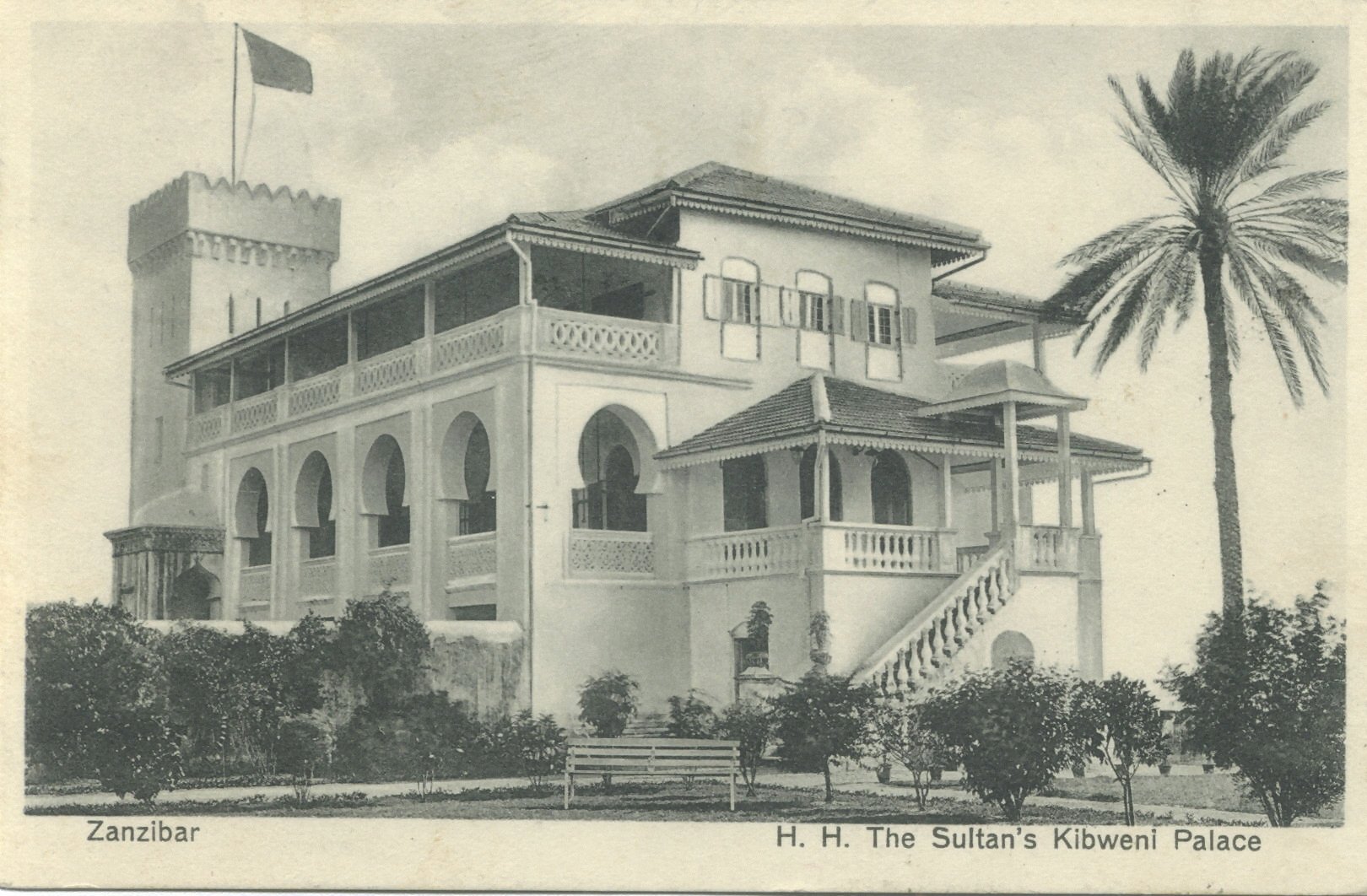
This Palace was in use at the time of the revolution. Below is a rare image of an interior room.
Chukwani Palace
Once near the village of Fumba about 15 kilometers south of Stone town. It displayed a modest beach house facade when approached from the land side but behind the house lay an extensive estate perched on a bluff with walkways that invited one toward the sea. This Palace was used as a sort health spa until it was demolished.The Palace bath house still remains but the site cannot be visited.
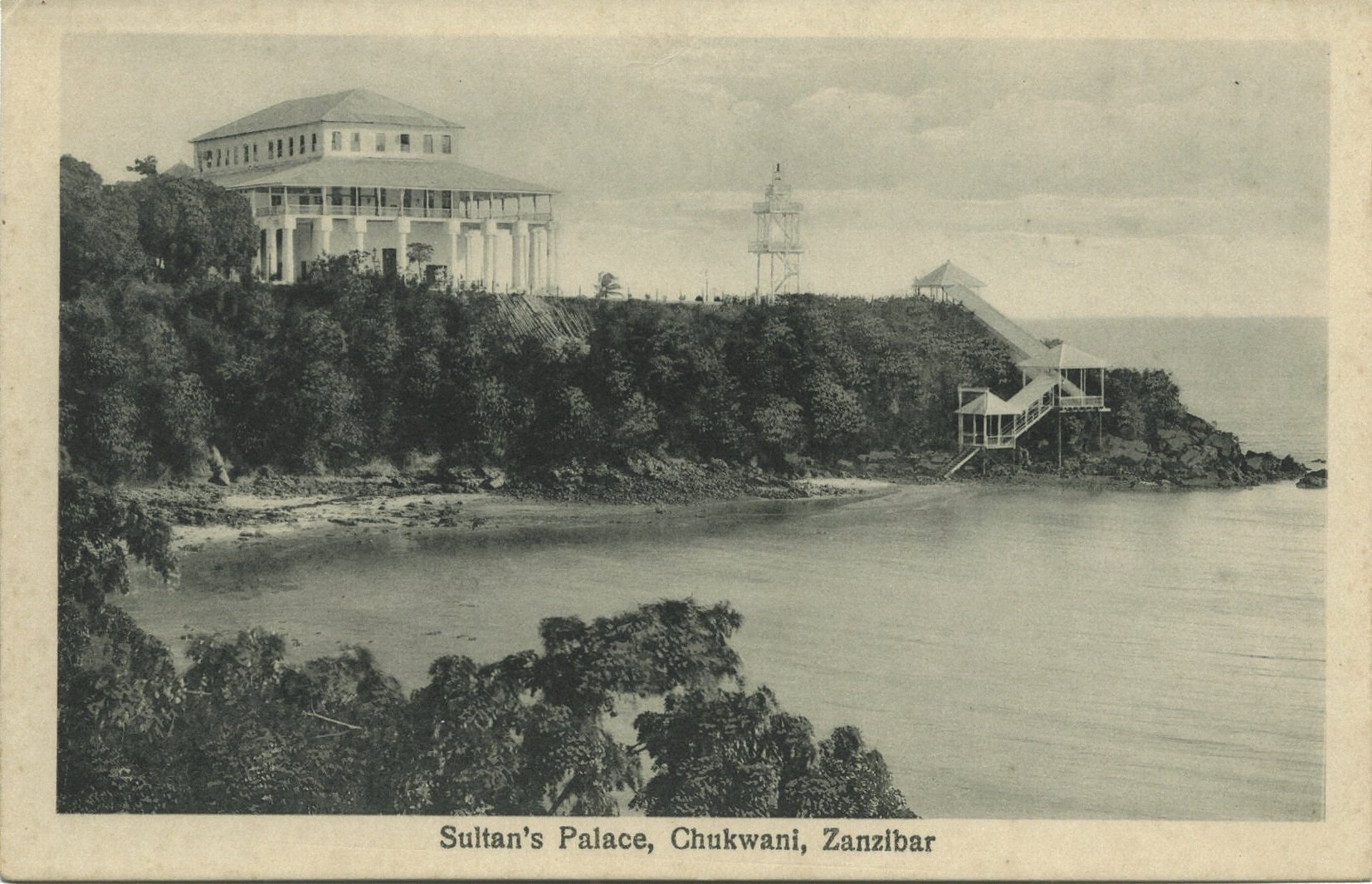
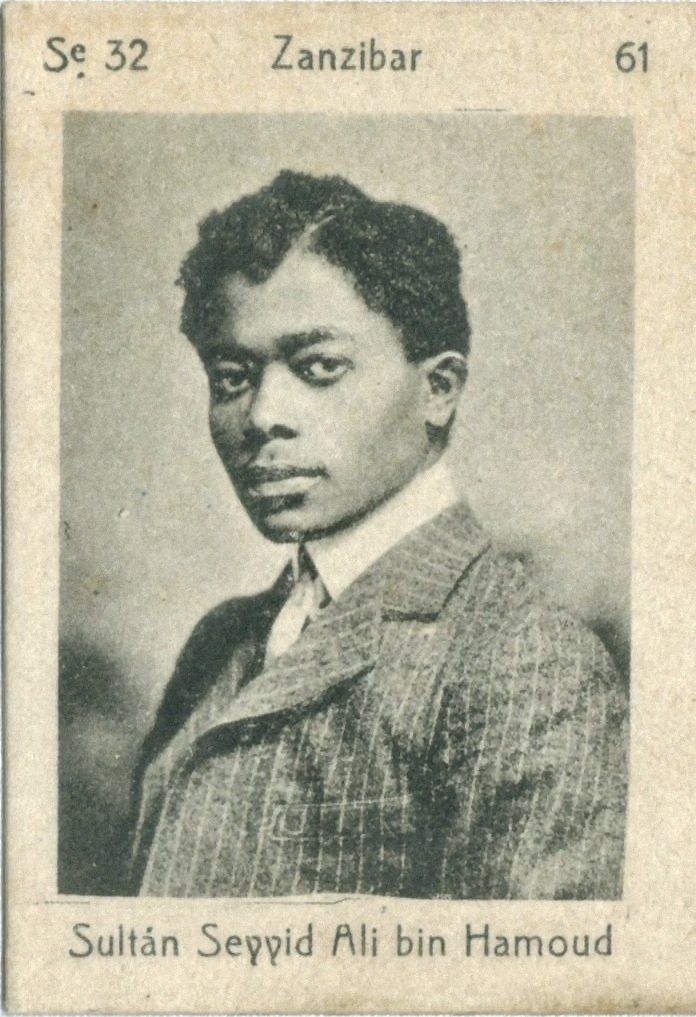
This Palace was associated with the reign of that most photogenic Sultan, Seyyid Ali bin Hamoud. (1902-1911)
Little remains of the ingenious
Chuini Palace.
Built to have running water in a time before electricity, it was constructed on the shore next to a stream in northwest Zanzibar.
"The Palace, which was built in 1872 by Seyyid Barghash stands in a river bed, a costly artificial foundation having been constructed with the object of keeping the building low so that an adequate flow of water should be obtained. The approach was by a covered way carried on tall iron pillars over the adjoining creek, beneath which the sea came into the creek behind. The building was burnt down in 1914 and little of interest remains except the long series of bathrooms through which a stream of water ran to the sea."
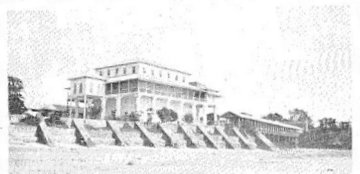
Beit el-Amani
The Peace Memorial Museum.
Built under British tutelage in an style that has been called "Sinclarian Saracenism" this structure appears a sort of idealized Palace but was never so used. Endowedjust after World War1 as a memorial for those lost in that conflict it now serves as a museum with many interesting Zanzibari artifacts.
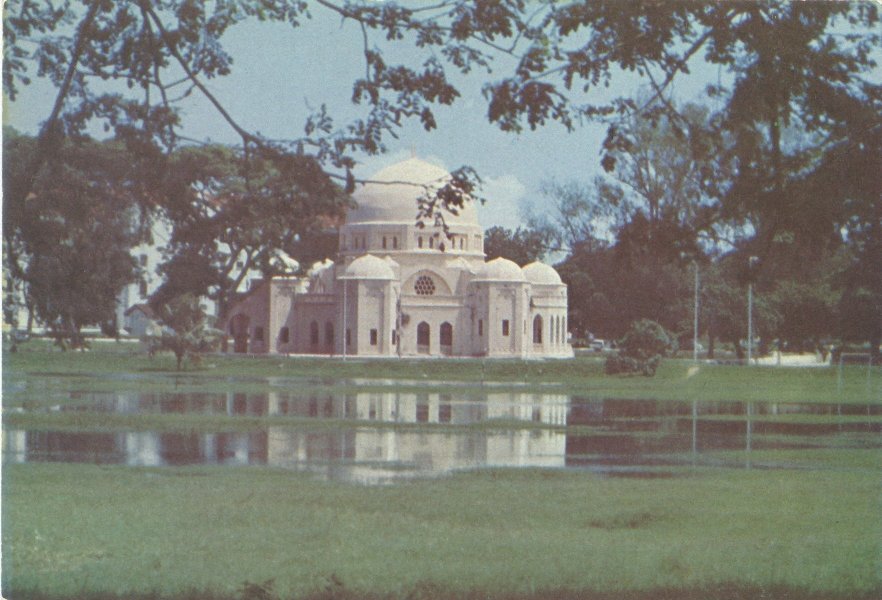
The Peoples Palace
Formerly the British Residence, this building seems another example of British architectural "Saracenism." Located on the south edge of the city this Palace today serves as the Presidential Residence for the leader of the government.
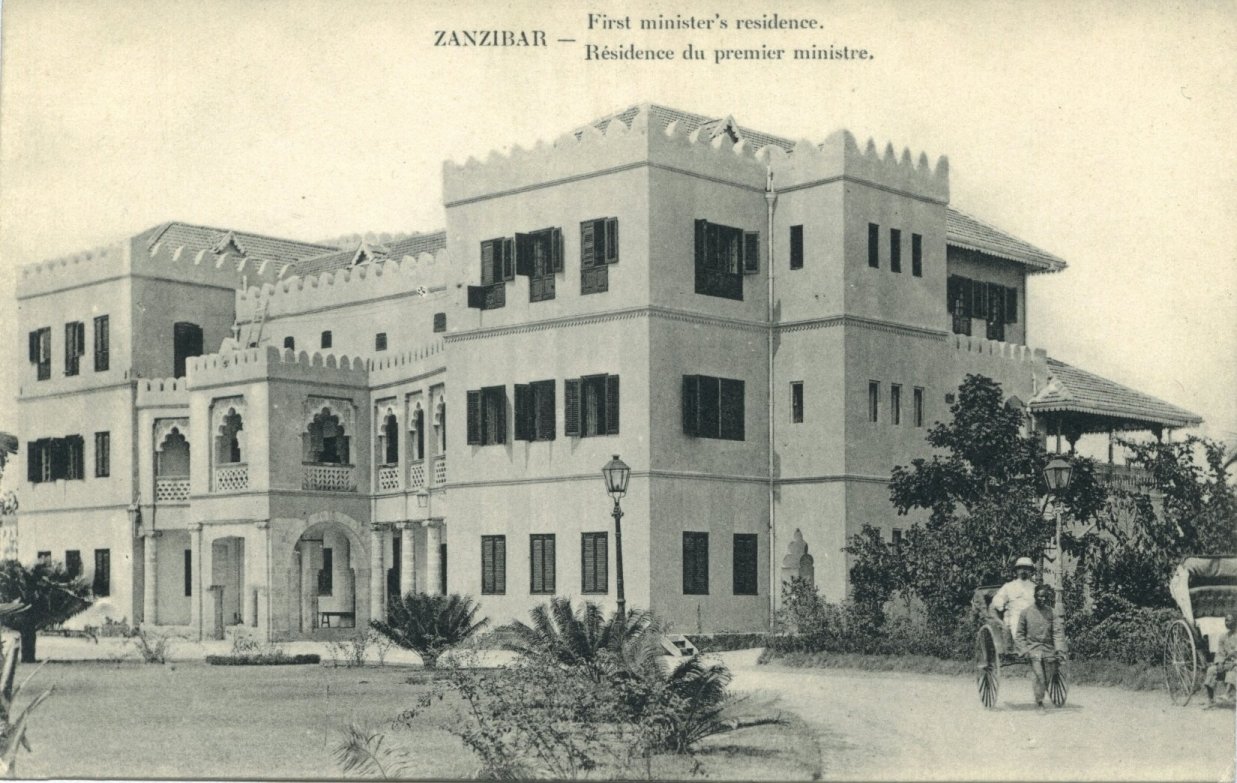
Some of the most interesting features are on the back of the building, which cannot currently be visited.
There are other Ancient Palaces on Zanzibar whose stories are lost to us. Students of the future will excavate their mysteries. Some of these sites include:
-
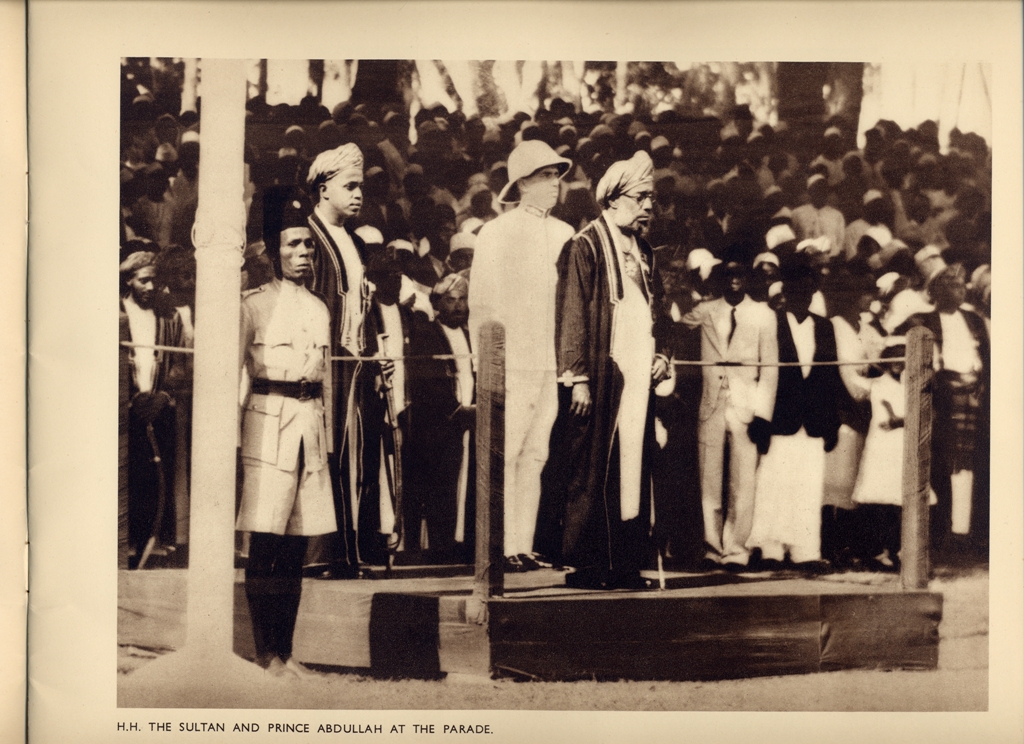
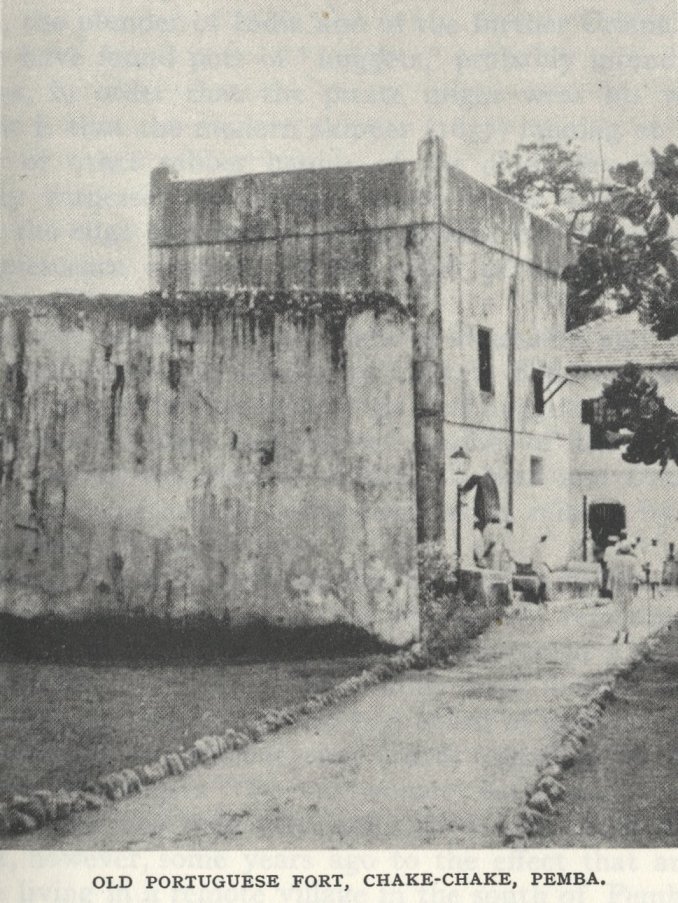
The Fortress at Chake Chake on Pemba Island.
-
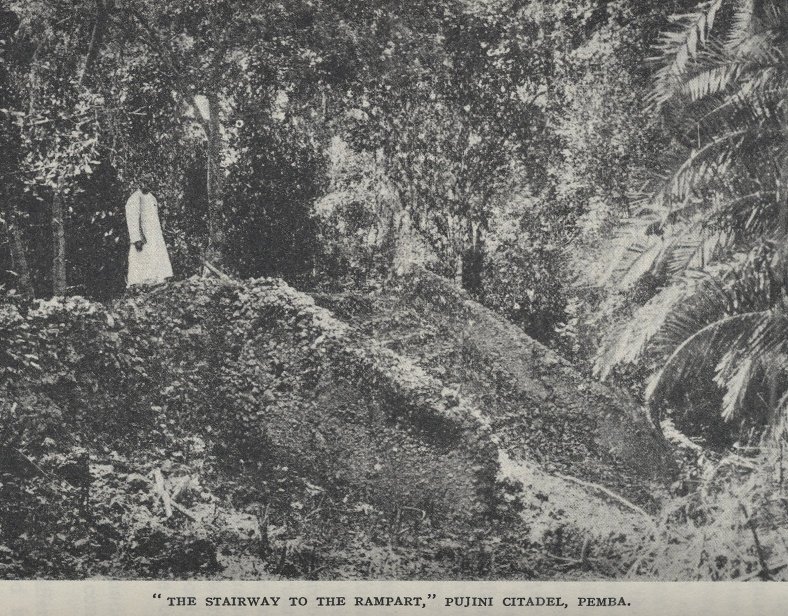
The ruins at Chwaka and Pujini, also on Pemba.
-
The extensive ruins on Tumbatu island, just off the northwest coast of Unguja.
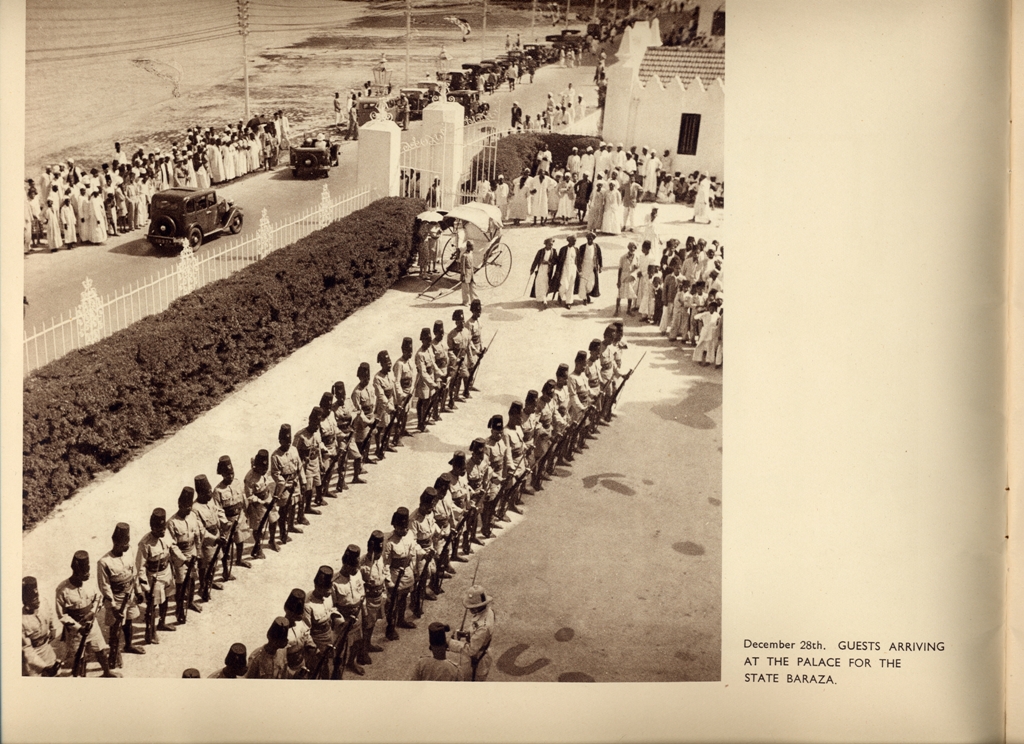
Whatever their other functions all Palaces are also built to enhance the status of their owner. The foremost Zanzibari example of this being the famous
Beit el-Ajaib
also referred to as the House of Wonders.
The House of Wonders didn't present such a stately appearance when first built, it looked perhaps a bit squat in those days.
However damage done to the building during the 1896 war required extensive repairs and since the clock tower in the light house in front of the Palace had also been destroyed in the war, it was decided to combine projects and incorporate a new clock tower into the Palace renovations.
The result was a truly remarkable building which is now more than 100 years old.
Compiled and editedin 2003 by
Dedicated in memory to my mother, her love for Zanzibar was exceeded only by love for her family.
All rights reserved